
ICC2026
My Congress
Login Here
Login Here
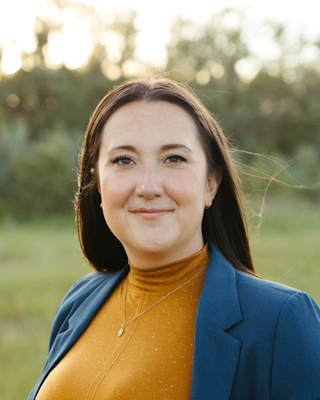
Tentative title: Breeding Strategies for Scalable Camelina Improvement
Short Biography: Product Development Scientist and Camelina Breeder at Bayer, where she leads the development of breeding strategies and field evaluation pipelines for Camelina sativa in support of biofuel and industrial oil applications. Her work integrates genetics, multi-environment testing, and data-driven selection to improve yield stability, oil traits, and agronomic performance.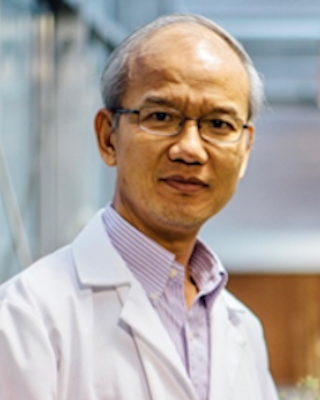
Tentative title: Systems Biology Approaches to Improving Camelina for Sustainable Oilseed Production
Short Biography: Chaofu Lu is a professor of the Department of Plant Sciences and Plant Pathology at Montana State University. He received a PhD degree in plant molecular genetics from the Chinese Academy of Sciences in 1998, and conducted postdoctoral studies at the John Innes Centre in the UK and Washington State University, specializing in plant lipid metabolism particularly in seed storage oils. His recent research interests focus on developing the oilseed crop Camelina sativa as a sustainable source of bioenergy and renewable chemicals and using camelina as a platform for translational plant biology research. The Lu lab established a plant transformation protocol and recently developed genetic and genomic resources in camelina. These tools will facilitate genetic and metabolic engineering in camelina and understanding genetic and physiological mechanisms of seed development, oil accumulation and fatty acid metabolism, as well as those influencing abiotic stresses including heat, drought and nutrient limitations.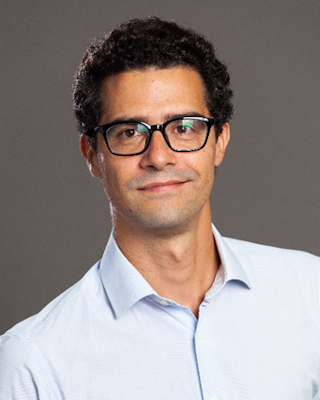
Tentative title: 15-year experience of camelina development
Short Biography: Yuri Herreras works at the forefront of regenerative agriculture and advanced biofuel feedstocks. In his roles as Co-Founder & CEO of Camelina Company and President of Upstream at Grapevine Energy Holdings, he has played a key role in building an advanced camelina innovation and deployment platform across Europe and the Americas. He has developed partnerships with key players in the agriculture and energy industries and holds degrees in Industrial Engineering, Nuclear Science and Technology, and an Advanced Management Program from IE Business School.
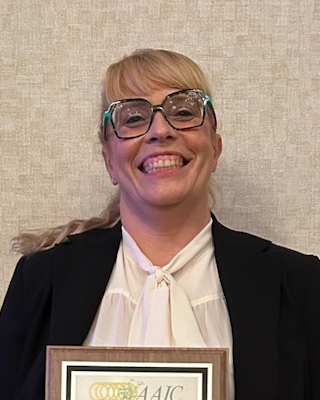
Presentation title: Challenges and opportunity for camelina agronomic management in Europe.
Short Biography: Associate professor in Agronomy and Crop Science at Bologna University (Italy). I focus my studies on oilseed crops, particularly on non-food ones, belonging to the Brassicaceae family but also Euphorbiaceae ones. In particular, I carried out studies on the cropping systems, crop management, aiming at input reduction, as well as facing the effect of climate change and related abiotic stresses. I also studied crop ecophysiology in response to abiotic stresses, mainly heat, drought and salinity.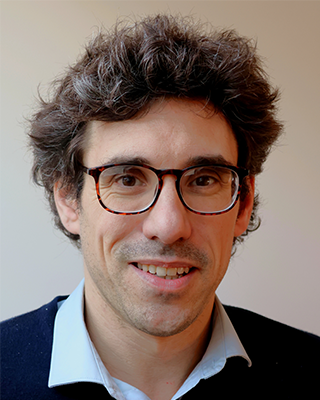
Presentation title: From Field to Crushing: Building a New Camelina Value Chain for Sustainable Aviation Fuel
Short Biography: Cédric Dufour is an Agronomy Expert within the Innovation teams at Saipol (Groupe Avril), based in France. With an academic background in agronomy, he has developed a professional career at the crossroads of plant breeding, cropping systems, oilseed value chains, and agri-industrial innovation. His work focuses on soil fertility, crop performance, and the integration of sustainability and industrial constraints across agricultural systems. Cédric is involved in field experimentation, technical assessments, and exploratory projects supporting crop diversification, low-carbon feedstocks, and resilient farming systems. He regularly collaborates with research institutes, technical advisory bodies, and industrial partners, contributing agronomic expertise to innovation initiatives and strategic reflections within agro-industrial value chains.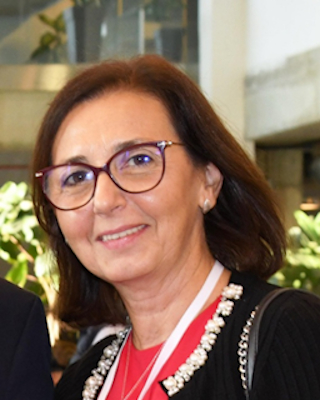
Presentation title: From field to feed: nutritional potential of camelina cold-pressed cake.
Short Biography: Ph.D. in Food Engineering with over 32 years of experience in scientific research focused on feed technology, animal feed formulation, and the utilization of agricultural and food by-products. I have participated in numerous international research and development projects, including FP7, HORIZON2020, IPA, Southeast Europe, and COST programs. I am a member of various professional bodies and associations in the fields of animal nutrition and feed production. My academic contributions include more than 340 published scientific articles and technical papers in national and international journals, as well as numerous invited lectures at conferences and congresses worldwide. I have completed several short-term study visits to research centers across Europe and the USA. I collaborate closely with feed companies in Serbia and throughout Europe to improve feed formulations and technological processes for various animal species and production categories.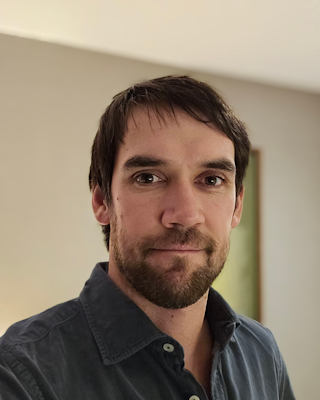
Presentation title: Unlocking camelina’s potential: a sustainable feedstock for the biofuel market.
Short Biography: Feedstock Commercialization Manager at Neste, where he focuses on developing sustainable feedstock supply chains to support the growth of renewable diesel and sustainable aviation fuel (SAF). He has over a decade of international experience across agribusiness, energy, and digital agriculture, working at the intersection of farming systems, markets, and low-carbon value chains. Prior to joining Neste, Alejandro held roles at Syngenta, where he worked on digital agriculture solutions and sustainability initiatives supporting farmers across Europe, with a focus on productivity, resource efficiency, and data-driven decision-making.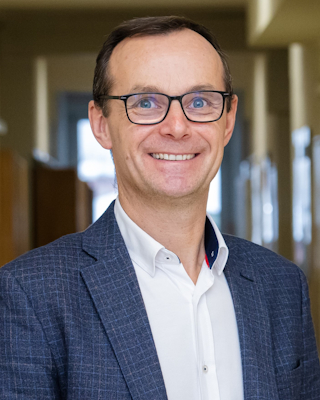
Tentative title: Yields and efficiency of camelina production in Poland.
Short Biography: Full professor of agricultural sciences. Head of the Department of Plant Breeding and Bioresource Engineering, Faculty of Agriculture and Forestry (University of Warmia and Mazury in Olsztyn) and also Head of the Centre for Bioeconomy and Renewable Energies (University of Warmia and Mazury in Olszty). Research related to biofeedstock, agroenergy, bioeconomy and renewable energy sources. Cultivation, productivity, quality of biomass and possibilities of using perennial and annual alternative plants for industrial and energy purposes. Production technologies and logistics of obtaining biofeedstock, their processing into bioproducts with higher added value and conversion into solid, liquid and gaseous biofuels. Cascading use of various types of biofeedstock of agricultural and forest origin. Bioconversion of various types of biomass residues using insects. Assessment of economic, energy and environmental efficiency of cultivation, production, logistics and processing of biomaterials. Characterisation and assessment of possibilities of using biomass and other renewable energy sources at individual, local, regional, national and international levels.